
Services
Eyecare Services in Kirkland
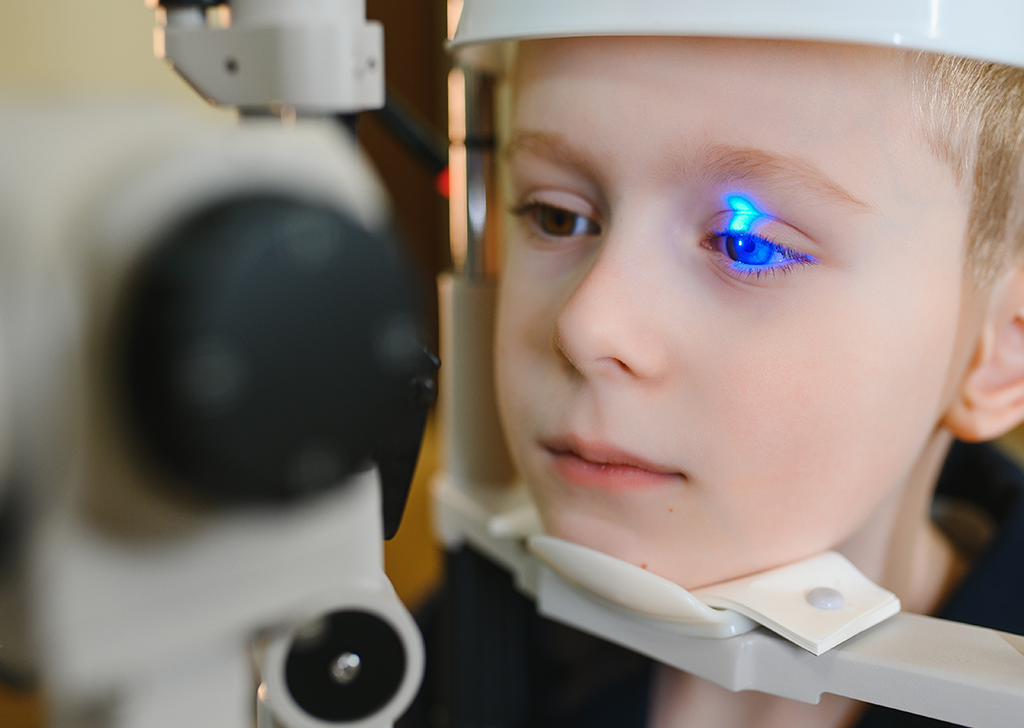
Routine Eye Exams
Routine eye exams are a vital aspect of preventive eye care. Without routine eye exams, vision issues often go undetected since most eye disorders don't have clear symptoms.
Learn More
Contact Lens Fittings
If you’ve never worn contact lenses before, it can seem a bit intimidating. After all, you’re inserting something into your eye! Let’s ease your mind about the first step – your contact lens exam.
Learn More
Pediatric Eye Surgery
When a child faces an eye condition that requires surgery, it can be an anxious time for parents and caregivers. However, pediatric ophthalmic surgery is a highly specialized field dedicated to preserving a child’s vision, aligning their gaze, and ensuring their visual system develops properly.
Learn More
Myopia Management
Myopia is a very common condition around the world, but its prevalence does not mean it should be taken lightly.
Learn More
Ortho-K
Orthokeratology or Ortho-k is the science of changing the curvature or shape of the cornea to change how light is focused on the retina at the back of one's eye. It works each night while you sleep.
Learn More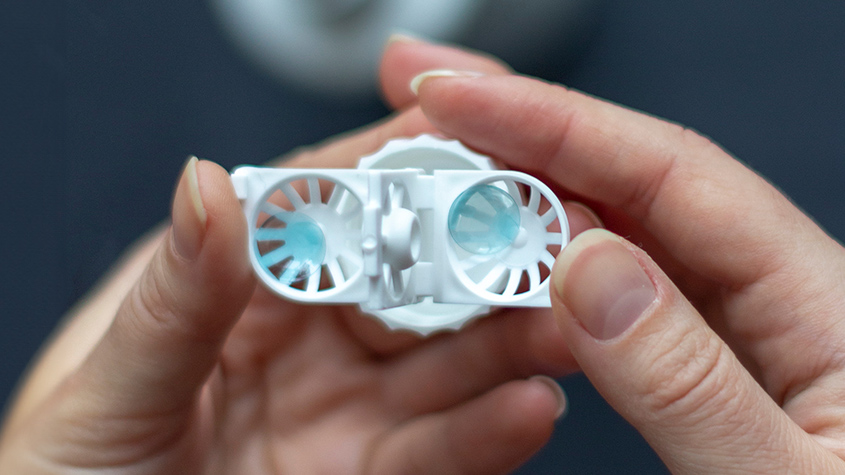
MiSight
Over the years, contact lenses have evolved. A new product called MiSight is giving children a new and improved option. MiSight lenses effectively treat myopia, otherwise known as nearsightedness.
Learn More
Atropine
Atropine eye drops have emerged as an effective treatment option for managing myopia progression. While it has been traditionally used to dilate the pupils during eye examinations, recent research has shown that low-dose atropine eye drops can help slow down the progression of myopia in children.
Learn More
Stellest Lenses
In September 2025, the FDA approved Stellest lenses for children ages 6 to 12 to correct and manage myopia, a major milestone for myopia care. These lenses have been successfully used in countries across Europe, Canada, and Asia since 2020, showing promising results in slowing eye growth associated with myopia.
Learn More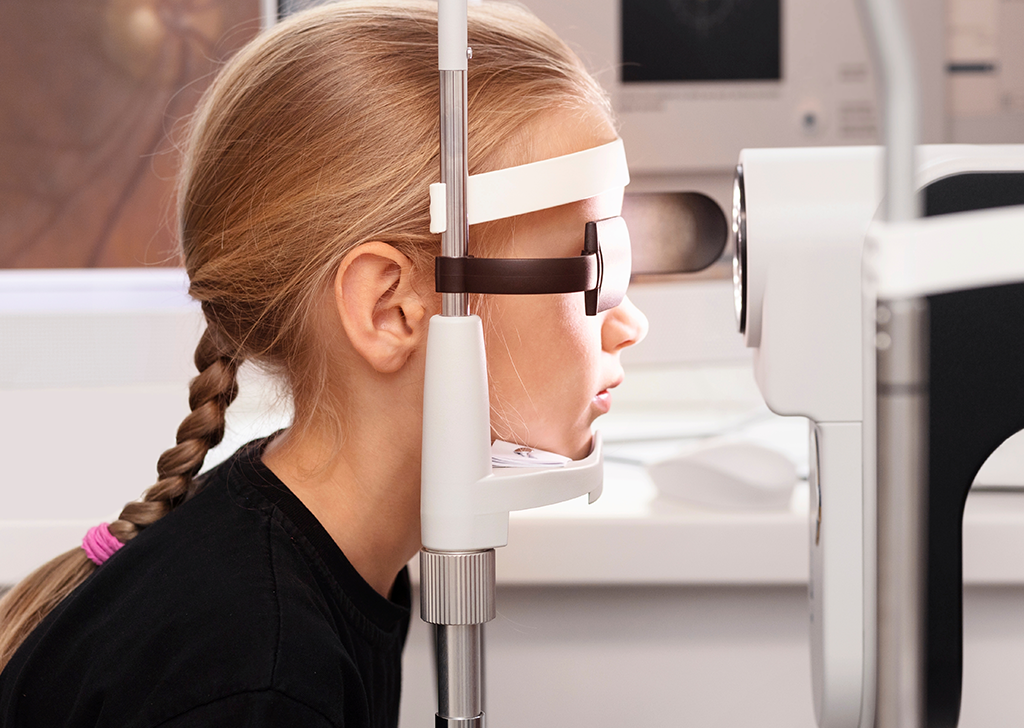
Medical Eye Exam
A medical eye exam is a comprehensive examination of your eyes conducted by an optometrist or ophthalmologist. This examination goes beyond a routine vision test and delves into the overall health of your eyes. During a medical eye exam, various tests will be performed to assess your visual acuity, peripheral vision, eye movement, and the health of your eye structures.
Learn More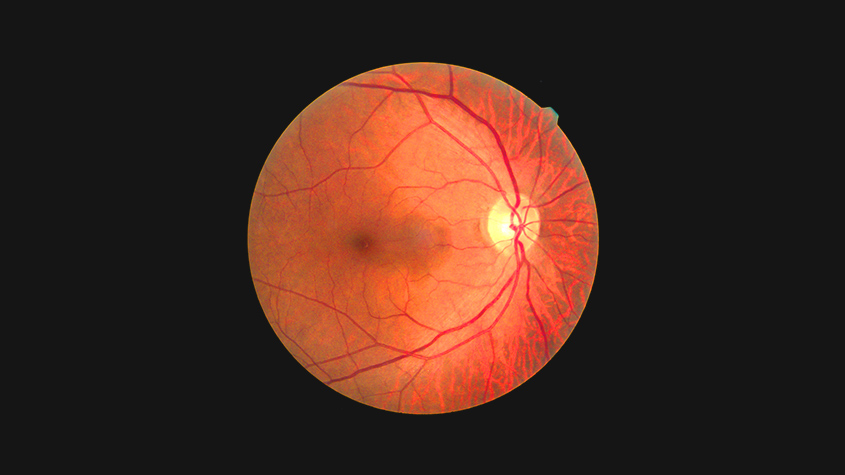
Retinal Imaging
By examining the retina, which is the thin layer of tissue at the back of your eye responsible for capturing light and transmitting visual signals to the brain, optometrists and ophthalmologists can gain valuable insights into your eye health.
Learn More© 2026 Children's Eye Care. All rights Reserved - Accessibility Statement - Privacy Policy - Sitemap
Managed and Designed by 