
Medical Eye Exam
Medical eye exams are comprehensive evaluations of the health and function of the eyes, essential for maintaining optimal vision and preventing potential eye conditions. Regular medical eye exams are fundamental for proactive eye health management and ensuring ongoing visual wellness.
What is a Medical Eye Exam?
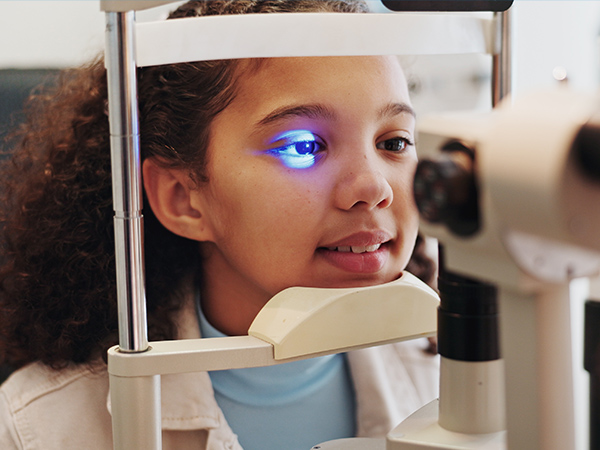
A medical eye exam is a comprehensive examination of your eyes conducted by an optometrist or ophthalmologist. This examination goes beyond a routine vision test and delves into the overall health of your eyes. During a medical eye exam, various tests will be performed to assess your visual acuity, peripheral vision, eye movement, and the health of your eye structures.
Medical eye exams can detect early signs of eye conditions that may not present noticeable symptoms in their initial stages. By diagnosing these conditions early, you have a greater chance of successful treatment and preventing further deterioration of your vision.
Medical eye exams can also identify underlying health conditions that may manifest in your eyes, providing an opportunity for early intervention and management.

Common Conditions Detected During a Medical Eye Exam
During a medical eye exam, several common eye conditions can be detected, sometimes even before noticeable symptoms occur. One such condition is cataracts. Although rare in children, cataracts occur when the lens of your eye becomes cloudy, leading to blurred vision. Through a comprehensive examination, your eye doctor can assess the severity of your child’s cataracts and recommend the most suitable treatment option, which may include surgery to remove the cloudy lens.
Strabismus is a common condition where the brain’s wiring prevents the body from controlling the alignment of the eyes, leading to crossed (esotropia) or wandering (exotropia) eyes. This misalignment can, in turn, lead to loss of vision (amblyopia) and loss of stereopsis (depth perception). This loss of vision and depth perception can be reversed in younger children, so it’s important to treat the misalignment as early as possible to restore sight.
Other conditions that would necessitate a medical eye exam include ptosis (droopy eyelid), anisometropia (unequal focus of the eyes), blocked tear duct, chalazion or stye of the eyelid), growths or pigmentations of the eyes or eyelids, screening exam for eye disease associated with a systemic illness like juvenile arthritis, and many more.
Schedule A Medical Eye Exam
If you are worried that your child may have a medical problem with the eyes, schedule a medical eye exam and take the first step towards preserving your vision and overall well-being. Contact our optometrist and prioritize your vision and eye health today.
Insurance for Medical Eye Exams
Any medical condition of the eyes and surrounding tissue changes the comprehensive examination of the eyes from routine (exam to determine eye health and prescribe glasses or contacts if needed) into a medical eye exam. Medical exams are covered by your health insurance, but routine exams are not (they are covered by separate vision insurance).
Surgical Eye Care
We provide comprehensive surgical eye care services for children and surgical eye care for adults with strabismus. Our ophthalmologists are board certified by the American Board of Ophthalmology and are participating in a continuous certification process to maintain their skills at the highest level.
Pediatric ophthalmologists train for nearly a decade after college to acquire the skill and knowledge necessary to be a competent surgeon: 4 years of medical school, a year of internship, 3 years of medical/surgical residency, and an additional year of subspecialty training in pediatrics and adult strabismus.
Quick Links
Helpful Articles
All Eye Care Services
Find personalized eye care excellence with our comprehensive services. From eye exams to advanced diagnostics, trust us for all your vision needs.
Keep In Touch
For non-urgent questions or to learn more about our services, contact us today!
© 2026 Children's Eye Care. All rights Reserved - Accessibility Statement - Privacy Policy - Sitemap
Managed and Designed by 